From local history to local choices
Learn about the place.
Then see how the choices fit together.
Learning about Wilbraham starts with the people and places that came before us—and the stories they left behind. From there, civic education helps explain how residents govern together, and CivicSS™ helps show how today’s budgets, services, places, evidence and choices fit together.
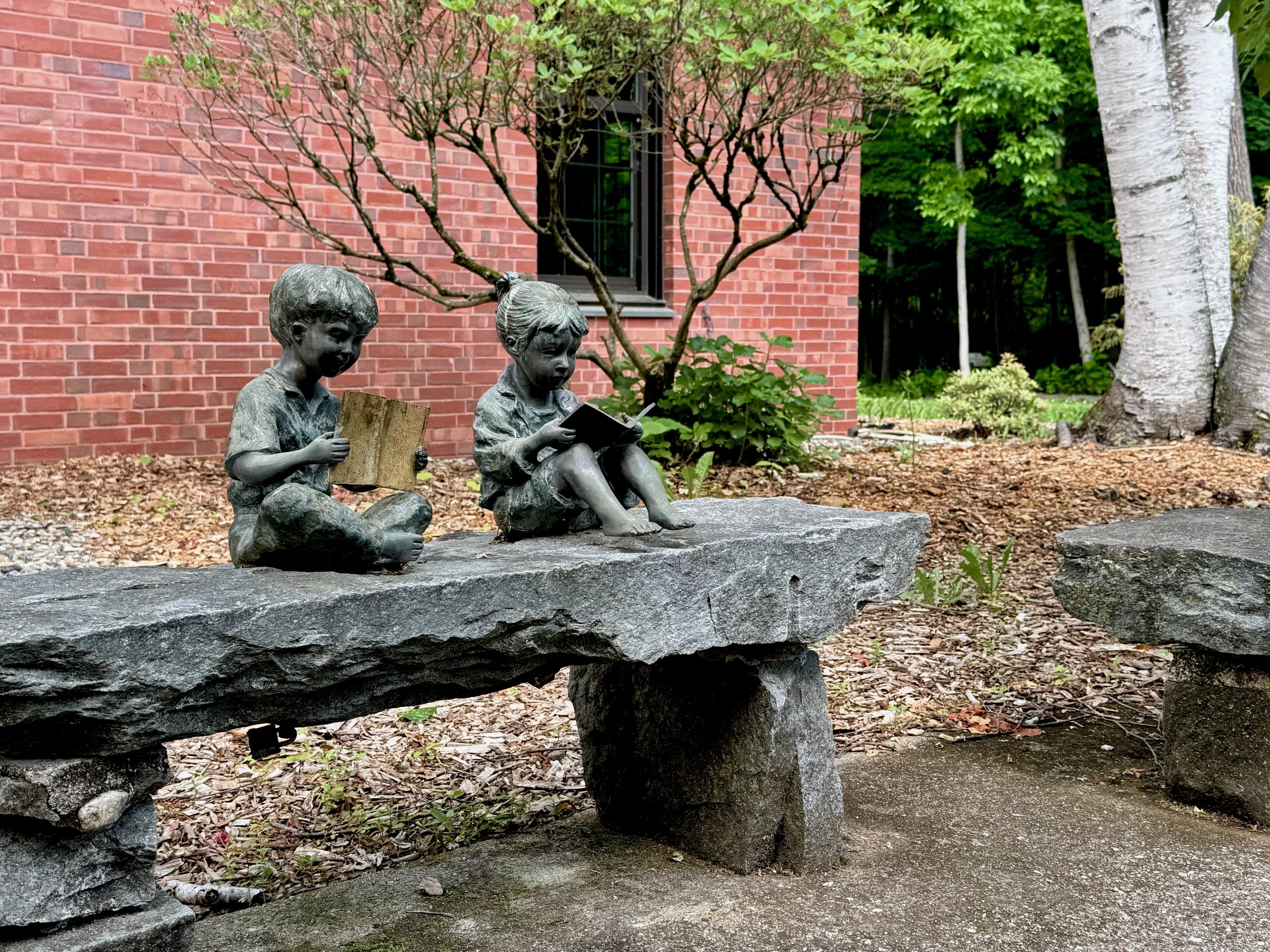
Explore Wilbraham’s history.
Communities are shaped by the people who care enough to make them a little brighter, a little more welcoming, and a little more beautiful.
Meet the people, institutions, stories and preserved places that help explain the community Wilbraham is today.
Follow Wilbraham’s story.
Start with a historic place, short local stories, or the Town’s bicentennial history. Each link opens the original source.
The Old Meeting House Museum
Explore the historic Old Meeting House and Hearse House, local collections, exhibits, educational programs and community events.
Visit the museum website →Wilbraham Historical Tidbits
Read David Bourcier’s short local-history stories—usually a two- to five-minute visit with Wilbraham’s past.
Read the stories →Wilbraham’s 1963 Bicentennial History
Begin with the Town’s own bicentennial remembrance and its concise account of Wilbraham’s history.
Read the Town history →Choose how you want to learn.
How does local government work?
Learn about open Town Meeting, the roles residents and Town bodies play, and how Massachusetts civic participation works.
Explore Civic Education →Where can I find the original sources?
Use the public-source library to find Town records, meeting materials, state guidance, budgets, planning references and other useful starting points.
Open the source library →Learn about Wilbraham Center
The future of Wilbraham belongs to the next generation. Together, we can help them understand its history, appreciate its character, and become thoughtful stewards of its future.
We hope to create opportunities for STUDENTS to learn about local history, civic engagement, and community stewardship while earning service hours and contributing to projects that benefit the community.
Teachers, students, and parents are invited to contact us if interested.
Try these links!
Expand the “+” then use “Click here” to explore these websites.
Civic Stewardship Studio is an INDEPENDENT PROTOTYPE, currently under development. Information, analytics, and presentation is DRAFT for discussion only.
Let’s help residents and Town participants think through important choices together
Residents do not need to be accountants.
They do need a clear way to understand how Town choices may affect their services, tax bills, community assets, environment, and stewardship of Wilbraham over time.
This independent prototype brings information from different sources together so people can explore what is known, see what remains uncertain, ask better questions, and consider possibilities before important choices are made.
It does not make decisions, recommend outcomes, or replace the judgment and authority of residents, Town Meeting, elected officials, appointed committees, Town staff, or professional advisers.
What you will find
The Town, connected
A comprehensive, multiyear view of Town finances, schools, debt, capital needs, buildings, parcels, grants, public records, and other information.
Readers can begin with a high-level picture and move gradually into the underlying details, sources, calculations, and unresolved questions.
How the annual financial process works
A walk-through of how the budget and Annual Town Meeting process develops—from departmental requests and administrative review through Finance Committee consideration, warrant articles, recommendations, votes, implementation, and follow-up.
This path helps explain who contributes information, who advises, who authorizes, and where residents enter the process.
For residents: Where are we now?
A plain-language introduction to the current budget, Town and school spending, property taxes, debt, reserves, and Proposition 2½.
It explains what the major numbers mean, what changed during the last budget cycle, and what the available evidence can—and cannot—tell us about affordability and services.
For residents: What decisions are ahead?
A forward-looking exploration of major choices that Wilbraham may need to consider together.
Topics include building utilization, Wilbraham Middle School capacity, the BUC building scenarios, capital needs, future debt, operating costs, community assets, environmental considerations, services, household effects, and the Town’s ability to respond to later needs.
This path does not advocate for a particular answer. It helps make the questions, possibilities, tradeoffs, evidence gaps, and long-term consequences easier to see.
Exploring possibilities with CivicSS
Civic Stewardship Studio, or CivicSS, includes prototype Excel tools for comparing possible scenarios.
The models organize assumptions, costs, funding sources, debt, ongoing operating effects, household impact, service consequences, and other considerations across time. A building scenario, for example, can be examined as more than a purchase price or construction estimate.
These tools do not produce an official answer. They demonstrate frameworks, presentation methods, processes, and mathematics that people could use with their own verified and authoritative data.
Begin wherever you are comfortable
You can start with a short resident introduction or choose a deeper Town, annual-process, future-decisions, or scenario-exploration path.
You do not need to understand every report. Follow the questions that matter to you and go only as deeply as you find useful.
See what CivicSS™ makes possible.
Move from finding individual documents to tracing how budgets, services, places, evidence and upcoming choices fit together. Reporting and scenario previews remain behind the CivicSS password.
Independent analytical work: CivicSS™ is not an official Town information system or a recommendation. It distinguishes sourced facts, calculations, interpretations, assumptions and missing evidence wherever possible. Supporting data should complete appropriate Town review before use in an official presentation.
See what makes CivicSS™ possible.
When CivicSS became too complex for one person—or one AI conversation—to hold together, I built a human–AI operating model around it: specialist roles, shared memory, training, accountability and recovery.
For the tech-curious, see the proof-of-concept thesis I shared with the ChatGPT Codex development team. 😊
Explore the human–AI operating model →